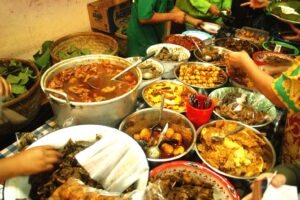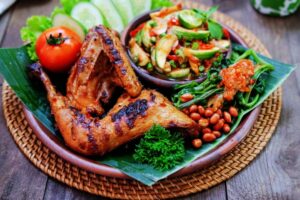

Indonesia is a nation rich in culinary diversity, with each region offering its own unique flavors and dishes. Among the many traditional foods that have captured the hearts of locals and visitors alike are rawon, tahu tek, and semanggi. These three dishes not only represent the cultural heritage of Indonesia but also offer a deep dive into the country’s gastronomic traditions. Whether you’re a food enthusiast or simply curious about Indonesian cuisine, exploring these dishes can be a delightful journey.
What is Rawon?
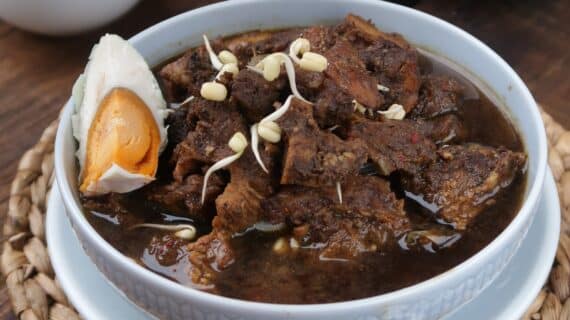
Rawon is a traditional Indonesian beef soup originating from East Java. It is known for its dark, rich broth that gets its distinctive color from kluwak (also known as keluak), a type of black nut that is fermented and has a nutty, earthy flavor. The dish is slow-cooked with tender beef, aromatic spices, and herbs, resulting in a deeply flavorful and comforting meal.
The key ingredients in rawon include:
- Beef: Typically cut from the shank or brisket, which becomes tender when cooked slowly.
- Kluwak: This fermented black nut gives the soup its signature color and unique taste.
- Spices: A blend of lemongrass, galangal, turmeric, coriander, and cumin adds depth to the broth.
- Tamarind: Provides a subtle tanginess that balances the richness of the soup.
Rawon is usually served with steamed rice, salted egg, and a side of sambal. Its complex flavor profile makes it a beloved staple in East Javanese cuisine. In fact, in 2021, rawon was ranked as the best soup in Asia by TasteAtlas.
Tahu Tek: A Flavorful Tofu Delight
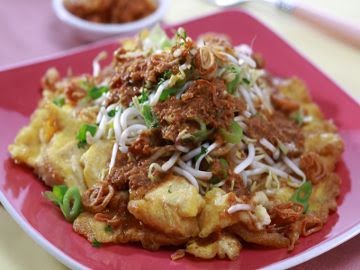
While rawon is a savory beef soup, tahu tek offers a different kind of satisfaction. This dish consists of tofu (often called tahu) that is grilled or fried and then served in a thick, peanut-based sauce. The name “tahu tek” comes from the word tek, which means “to fry” or “to grill” in some regional dialects.
The main components of tahu tek include:
- Tofu: Usually firm tofu that is cut into cubes or slices and deep-fried until golden brown.
- Peanut Sauce: A rich, creamy sauce made from ground peanuts, garlic, chili, and a touch of sweetness from palm sugar.
- Vegetables: Often includes bean sprouts, green onions, and sometimes boiled eggs or fried tempeh.
Tahu tek is commonly found in street food stalls and local markets in East Java. It pairs well with rawon, making for a balanced meal that combines the richness of the soup with the bold flavors of the peanut sauce.
Semanggi: A Fresh and Nutritious Side Dish
If rawon and tahu tek are the main attractions, then semanggi is the perfect complement. Semanggi is a traditional Indonesian side dish made from the leaves of the Marsilea plant, commonly known as water clover. It is often eaten raw or lightly blanched and seasoned with salt, lime, and sometimes chili.
Key characteristics of semanggi:
- Texture: Crisp and slightly crunchy, with a mild, grassy flavor.
- Nutritional Value: Rich in vitamins and minerals, making it a healthy addition to any meal.
- Preparation: Can be enjoyed as a simple salad or paired with other dishes like rawon and tahu tek.
Semanggi is typically served as a side dish, adding a refreshing contrast to the hearty flavors of the main courses. Its simplicity and natural taste make it a favorite among those who appreciate fresh, unprocessed foods.
Why These Dishes Matter
Rawon, tahu tek, and semanggi are more than just meals—they are symbols of Indonesia’s cultural identity and culinary heritage. Each dish tells a story of tradition, regional influence, and the importance of using locally available ingredients. They reflect the balance between flavor, texture, and nutrition that is central to Indonesian cuisine.
In recent years, there has been a growing interest in preserving and promoting traditional Indonesian foods. Chefs and home cooks alike are rediscovering the beauty of dishes like rawon and tahu tek, ensuring that these flavors continue to thrive in both local and global kitchens.
How to Experience These Dishes
For those looking to try these dishes, visiting East Java is an ideal choice. Cities like Surabaya and Malang are known for their authentic versions of rawon and tahu tek. Street vendors and local eateries often serve these dishes at affordable prices, offering a true taste of Indonesian culture.
If you’re cooking at home, recipes for rawon and tahu tek are widely available online. With a bit of patience and the right ingredients, you can recreate these traditional dishes in your own kitchen.
Conclusion
Exploring the flavors of rawon, tahu tek, and semanggi is a wonderful way to experience the depth and diversity of Indonesian cuisine. From the rich, savory broth of rawon to the spicy, nutty sauce of tahu tek and the crisp freshness of semanggi, each dish offers a unique taste of the nation’s culinary soul. Whether you’re dining out or cooking at home, these traditional foods are sure to leave a lasting impression.